

Brain Injury Care
Helping individuals rebuild confidence, maintain independence and continue rehabilitation following acquired or traumatic brain injury.

Flexible, personalised support that helps people live independently at home.
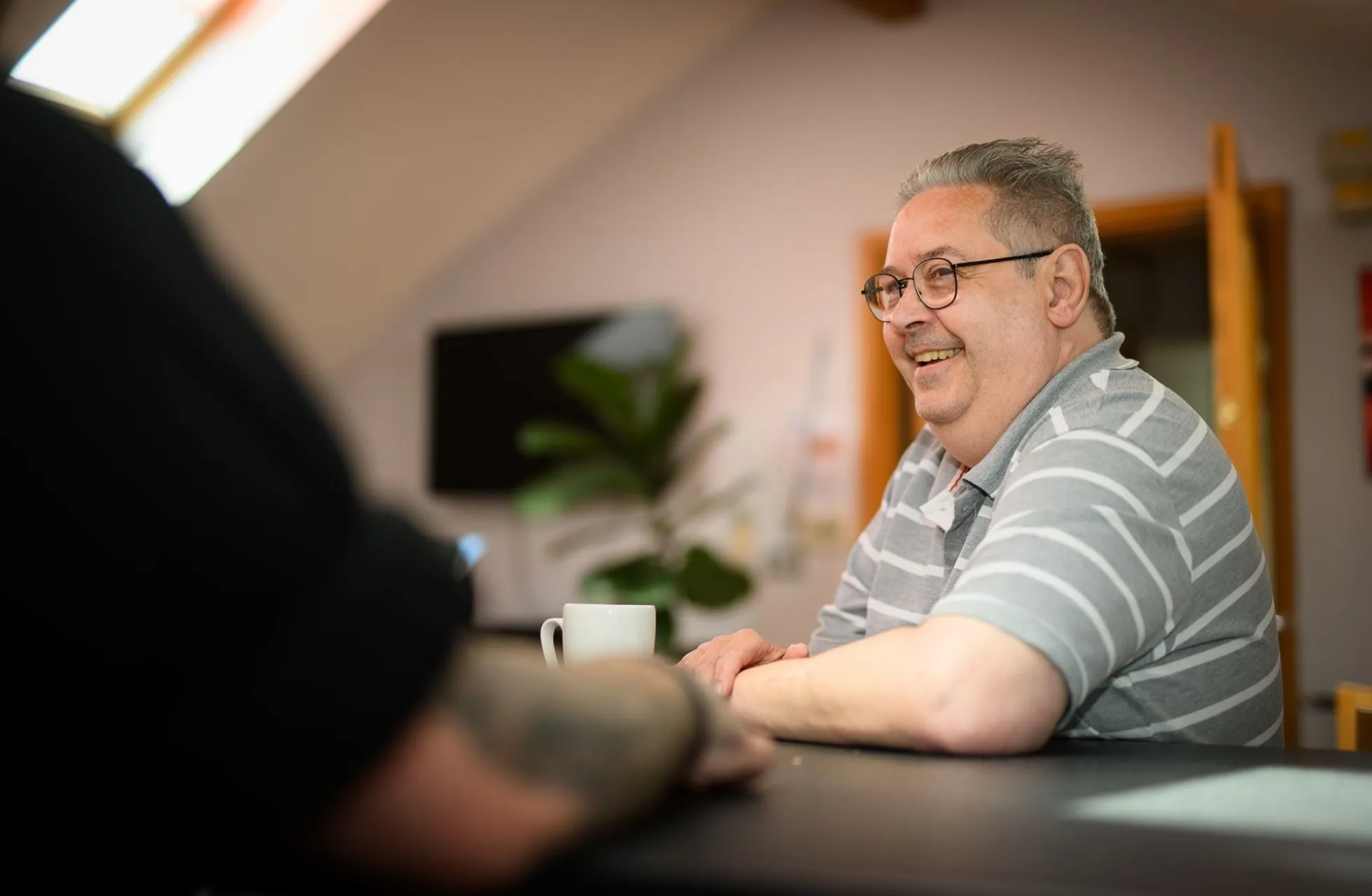
Visiting, or live-out care provides support in the home at agreed times, in contrast to live-in care. This could range from a few hours a day to round-the-clock care delivered in two 12-hour shifts.
Support can range from assistance with daily living activities to more specialist care for individuals living with complex conditions, injuries or disabilities.
Because support is tailored to the individual, visiting care can often provide a flexible alternative to more intensive care arrangements while helping people maintain control over their daily lives.
For many people, the right support at the right time can make all the difference to maintaining independence, confidence and quality of life. Our visiting care services provide flexible support tailored to individual needs, whether that's a few hours each week, multiple visits per day or a package that evolves alongside changing circumstances.

One of the benefits of visiting care is flexibility. Some people require support with morning and evening routines. Others may need assistance following hospital discharge, while some benefit from regular visits that help them maintain independence over the longer term.
Support can be arranged around:
The aim is to fit support around the individual, not the other way around.
As a provider registered for both Personal Care and Treatment of Disease, Disorder or Injury (TDDI), we can support individuals with complex health needs alongside their day-to-day care requirements.
Many people also live with more than one condition. Our approach is to understand the whole person and create support that reflects their unique circumstances, goals and aspirations.
Many of the individuals we support live with complex needs arising from:
Helping individuals rebuild confidence, maintain independence and continue rehabilitation following acquired or traumatic brain injury.

Specialist support for people with complex gastro-intestinal needs, helping them live safely and confidently at home.

Specialist support for people with a learning disability or autism, to promotes independence, choice and quality of life.

Supporting people with mental health conditions to live independently, maintain stability, and rebuild confidence in everyday life.

Specialist support for people living with neurological and neurodegenerative conditions, helping them maintain independence, wellbeing and quality of life at home.

Specialist support for people with disabilities, that promotes independence, opportunity and quality of life.

Specialist, clinically-led support for people living with respiratory conditions and complex ventilation needs.

Supporting recovery, independence, and quality of life through specialist, clinically-led care.
People often explore visiting care when:
Getting the right support in place early can often help people maintain independence and confidence for longer.


Support is tailored around the individual's routines, commitments and goals, whether that's a few hours each week or multiple visits each day.

We focus on helping people remain as active, confident and independent as possible while providing support where it is needed.

As a provider registered for both Personal Care and Treatment of Disease, Disorder or Injury (TDDI), we support individuals whose needs extend beyond traditional home care services.

Wherever possible, we provide continuity within support teams, helping individuals build trusted relationships and maintain familiar routines.

We work closely with therapists, clinicians, case managers and families to ensure support remains coordinated and aligned with wider goals and outcomes.

Regular reviews help ensure care adapts alongside changing needs, circumstances and aspirations, providing reassurance for both individuals and their families.
Support may include:
Every package is tailored to the individual rather than delivered through a standard model of care.
The right option depends on the level of support required and how often that support is needed. Our team can help assess your circumstances and recommend the most appropriate option based on your needs, goals, and lifestyle.
For some individuals, a small number of visits each week provides enough assistance to maintain independence and manage daily routines. Others may require several visits throughout the day, while some people eventually benefit from a live-in care arrangement.
One of the advantages of visiting care is its flexibility. Support can often be increased gradually as needs change, allowing individuals to receive the right level of assistance without committing to a more intensive package of care from the outset.
Yes. Many of the individuals we support have complex needs arising from conditions such as brain injury, spinal cord injury, neurological conditions, respiratory needs, physical disabilities, autism or mental health conditions.
In many cases, these needs do not exist in isolation. Individuals may require support across multiple areas of their health and wellbeing, which is why we take a coordinated approach involving families, professionals, and multidisciplinary teams wherever appropriate.
Absolutely. Returning home can be one of the most important milestones in a person's recovery journey, but it can also bring uncertainty and new challenges.
Visiting care can provide support during this transition by helping individuals rebuild routines, maintain rehabilitation goals, attend appointments, and adjust to life at home.
For many people, having the right support in place makes the transition feel more manageable and provides reassurance for both the individual and their family.
Supporting independence is at the heart of everything we do. Our role is not to do everything for someone, but to provide the support they need while encouraging them to remain as active and involved in daily life as possible.
For some individuals, independence may mean returning to work or education. For others, it may involve maintaining routines, spending time with family and friends, continuing hobbies or participating in community activities.
We recognise that building trust and consistency is incredibly important. Where possible, we aim to provide continuity in the people delivering care, helping individuals build positive relationships with their support team and feel comfortable with the care they receive.
Consistency can be particularly important for people living with a neurological condition, autism, a brain injury, or a mental health condition, where familiarity and routine can have a significant impact on wellbeing.
Many people's care needs change over time, whether because of recovery, progression of a condition or a change in personal circumstances.
Our support is regularly reviewed to ensure it continues to meet the individual's needs and aspirations. This may involve increasing visits, adjusting the type of support provided, or introducing additional specialist expertise.
As part of Active Care Group, we can also help individuals, families and professionals explore wider support options if circumstances change significantly, helping provide continuity and reassurance for the future.
Yes. Our services are regulated by the relevant care regulators, including the Care Quality Commission (CQC) in England and the Care Inspectorate Wales (CIW) in Wales.
This provides reassurance that care is delivered within robust clinical, governance and safeguarding frameworks, and is regularly assessed against recognised standards for quality, safety and effectiveness.
Active Assistance is registered for both Personal Care and the Treatment of Disease, Disorder or Injury, reflecting our ability to support individuals with complex health needs as well as day-to-day care requirements.
Your first conversation doesn't need to be a commitment to care.
We will take time to understand your situation, answer any initial questions, and discuss the support you may need. From there, we can arrange an assessment and recommend a care plan tailored to the individual.
Funding arrangements vary depending on individual circumstances.
Live-out care may be funded privately, through NHS Continuing Healthcare, local authority funding, direct payments, case management arrangements or personal injury and insurance settlements.
Our team can help explain the different options available and guide you through the process.



Taking the first step can feel overwhelming, but you don't have to do it alone.
Whether you are planning a return home following rehabilitation, exploring care options for the future, or looking for more specialist support, our team is here to help.
We will take the time to understand your needs, explain your options, and work with you to put the right support in place.
